Maintaining Clear Skin: Best Practices for Post-Acne Treatment Care
Finishing a professional acne program is a major milestone, and for many, it’s the first time in years that skin feels calm and smooth. Rachel Joyce SKIN knows that the next challenge is often staying clear—because true, lasting acne correction isn’t a one-time event, but a new chapter in consistent self-care.
Post-acne maintenance requires a balance of vigilance and a gentle touch. Without professional guidance, it’s easy to slip back into habits or products that quietly reverse the progress you’ve made. This guide will help you protect your results, adjust to changing needs, and know when it’s time to check back in with a specialist.
In This Article:
1. Why Maintenance Matters After an Acne Program
2. Building an Effective At-Home Routine
3. How to Spot Issues Before They Escalate
4. Frequently Asked Questions
Why Maintenance Matters After an Acne Program
Active breakouts, inflammation, and congestion take months—sometimes years—to manage. Once you reach a point of clarity, your skin is more resilient, but it’s also still learning new habits. Post-acne skin can be more reactive to unfamiliar products, disrupted by skipped routines, or easily thrown off by seasonal changes in Salisbury’s climate.
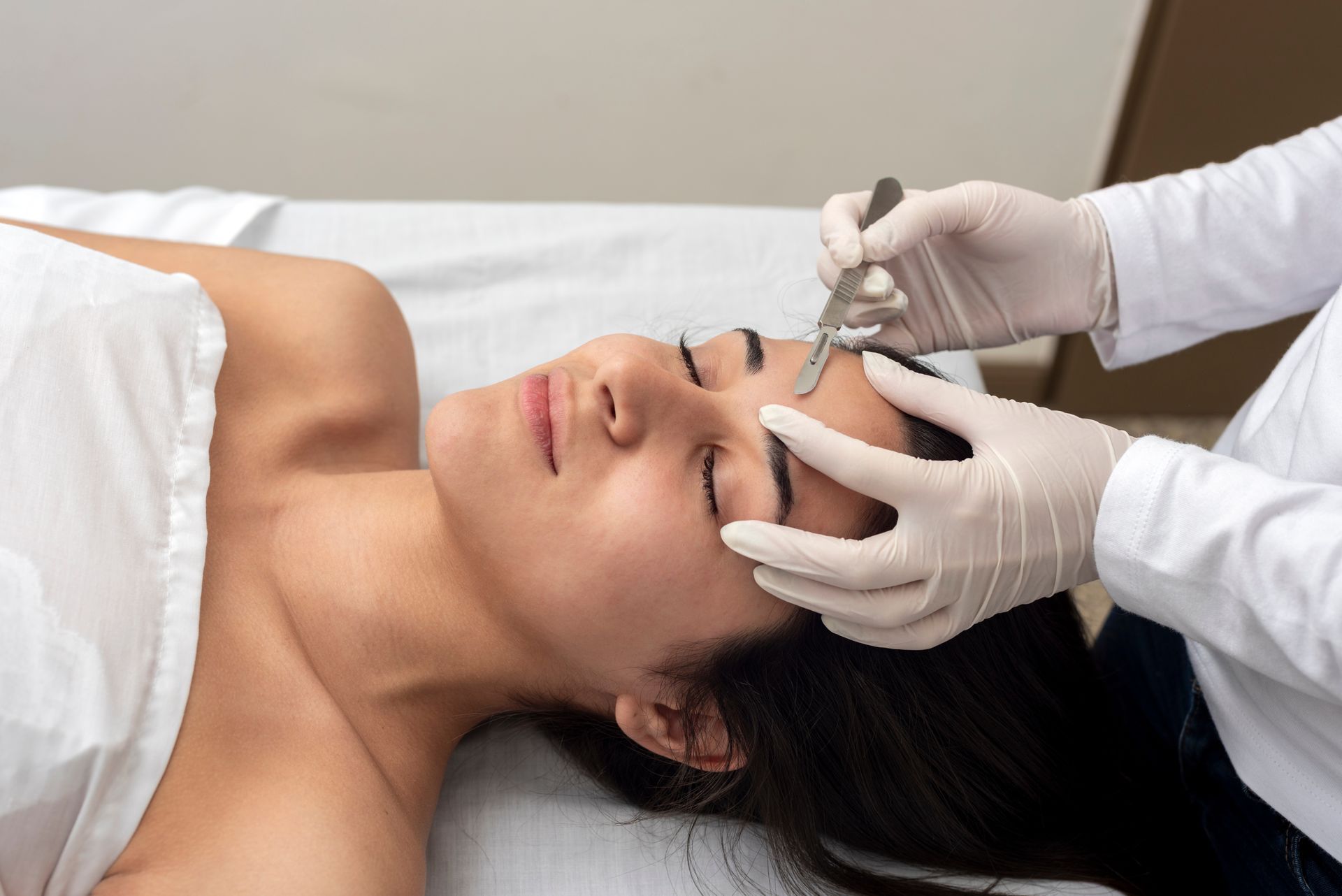
Long-term maintenance is about consistency, not perfection. Your provider will recommend a structured plan, adjusting key actives such as exfoliating acids or retinoids to minimize relapse. Schedule less frequent, but still regular, check-ins for professional assessments, deep cleansing, and expert extraction of stubborn blockages before they inflame.
Building an Effective At-Home Routine
Routine is the anchor that maintains results. The basics apply: cleanse daily with a gentle, non-stripping formula, apply only non-comedogenic moisturizers, and use SPF every morning. Adjust exfoliation frequency and strength based on your skin’s current sensitivity—less is often more as you build resilience.
• Stick with proven, acne-safe products for at least three months before introducing anything new.
• Keep makeup brushes, pillowcases, and phone screens clean.
• Resist the temptation to over-treat—adding more actives or “fighting” every minor bump can create new problems.
From a professional standpoint: Product consistency isn’t just a convenience—it’s how your skin locks in its progress and adapts to new, healthier patterns.
How to Spot Issues Before They Escalate
Staying clear doesn’t mean being “breakout-proof.” Lifestyle shifts, travel, stress, or hormone changes can still trigger the occasional bump. The goal now is to intervene early, using spot treatments prescribed by your provider and never reverting to harsh, over-the-counter “emergencies.”
Be alert for:
• Bumps or blemishes that stay unchanged past a week or seem to multiply.
• Excessive dryness, peeling, or irritation—these are signs routines may need dialing back.
• An increase in blackheads along the jaw, chin, or cheeks, signaling buildup that could escalate.
Know when to reach out. A quick adjustment from your esthetician is often all it takes to get back on track, rather than waiting until issues spiral.
Frequently Asked Questions
How often should I schedule professional maintenance appointments after completing an acne program?
Most clients benefit from in-clinic maintenance every 8–12 weeks, but this varies depending on skin stability, lifestyle, and history. Seasonal changes may warrant closer intervals, especially in Salisbury’s humid summers or dry winters.
Are there specific ingredients I should avoid to prevent acne’s return?
Yes—look out for comedogenic oils, heavy silicones, and hidden pore-blockers in makeup or hair care. Your provider can offer a full “avoid list” based on your skin profile and current leading triggers in skin care products.
What’s the single most important habit for preventing relapse?
Consistent, gentle cleansing and diligent use of non-comedogenic sunscreen stand out. Forgotten removal of sunscreen, sweat, or makeup after long days remains a top culprit for congestion and recurring blemishes.
Make Clear Skin a Lasting Achievement
The path to clarity doesn’t end with your last professional treatment—instead, it becomes part of your everyday mindset. Stay connected to your specialist, watch for the signals your skin sends, and put the time into daily habits that support your confidence and complexion. By investing in maintenance, you can enjoy smoother, calmer skin and avoid the cycle of frustration that once held you back. If you’re ever uncertain, reach out and get guided support—you’ve worked too hard to go it alone.
Share This Blog