LED Light Therapy for Skin: What Results Are Realistic?
In the search for smoother, clearer, and more youthful skin, LED light therapy stands out as a highly-requested service at many advanced clinics—including Rachel Joyce SKIN. Far from being a passing trend, this non-invasive technology has gained popularity for its versatility in supporting skin health—whether you’re addressing breakouts, fine lines, or stubborn redness. Yet with so much online enthusiasm, it’s easy to imagine results that are instant or even miraculous. The truth is both more nuanced and, for the committed client, genuinely rewarding.
Understanding what LED light therapy can and cannot do is essential before committing to a series of treatments. When you know what to expect from the science—and from your own body’s natural healing process—you can be confident that every session is a step toward better skin, not towards disappointed expectations.
In This Article:
1. What is LED Light Therapy and How Does It Work?
2. Real Results: What Changes Can You Expect to See?
3. What Factors Affect Outcomes—and How Many Sessions Do You Need?
4. Frequently Asked Questions
What is LED Light Therapy and How Does It Work?
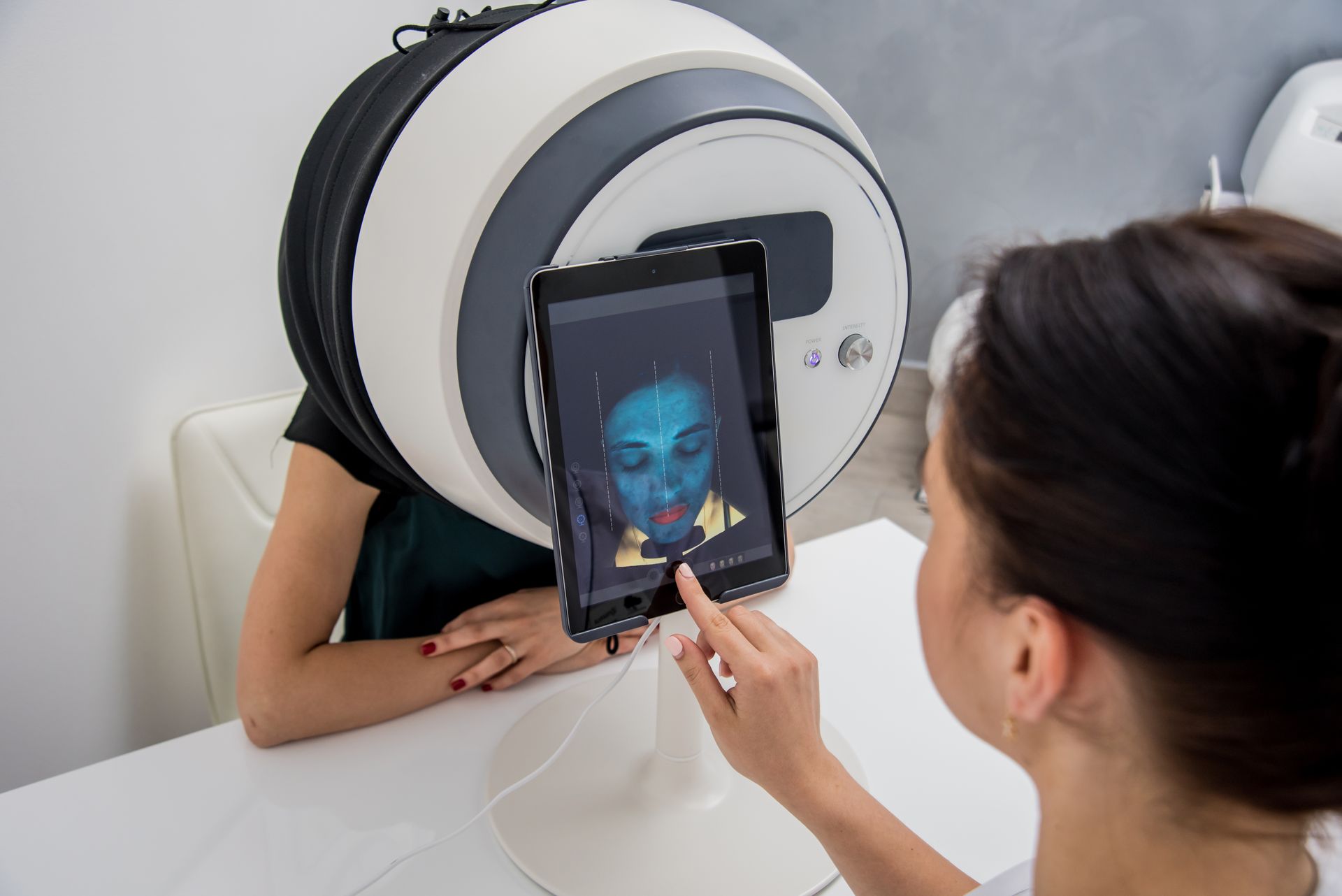
LED (Light Emitting Diode) therapy harnesses specific wavelengths of light—most commonly blue, red, and near-infrared—to achieve measurable skin improvements. This technology, used in advanced professional devices like CELLUMA, works without heat or discomfort. Each color of light stimulates different cellular processes within the skin:
- Blue light helps reduce inflammation and targets the bacteria that cause acne breakouts.
- Red light energizes cells, supporting collagen synthesis and helping calm signs of irritation or aging.
- Near-infrared light may reduce inflammation, speed recovery after advanced treatments, and support overall skin repair.
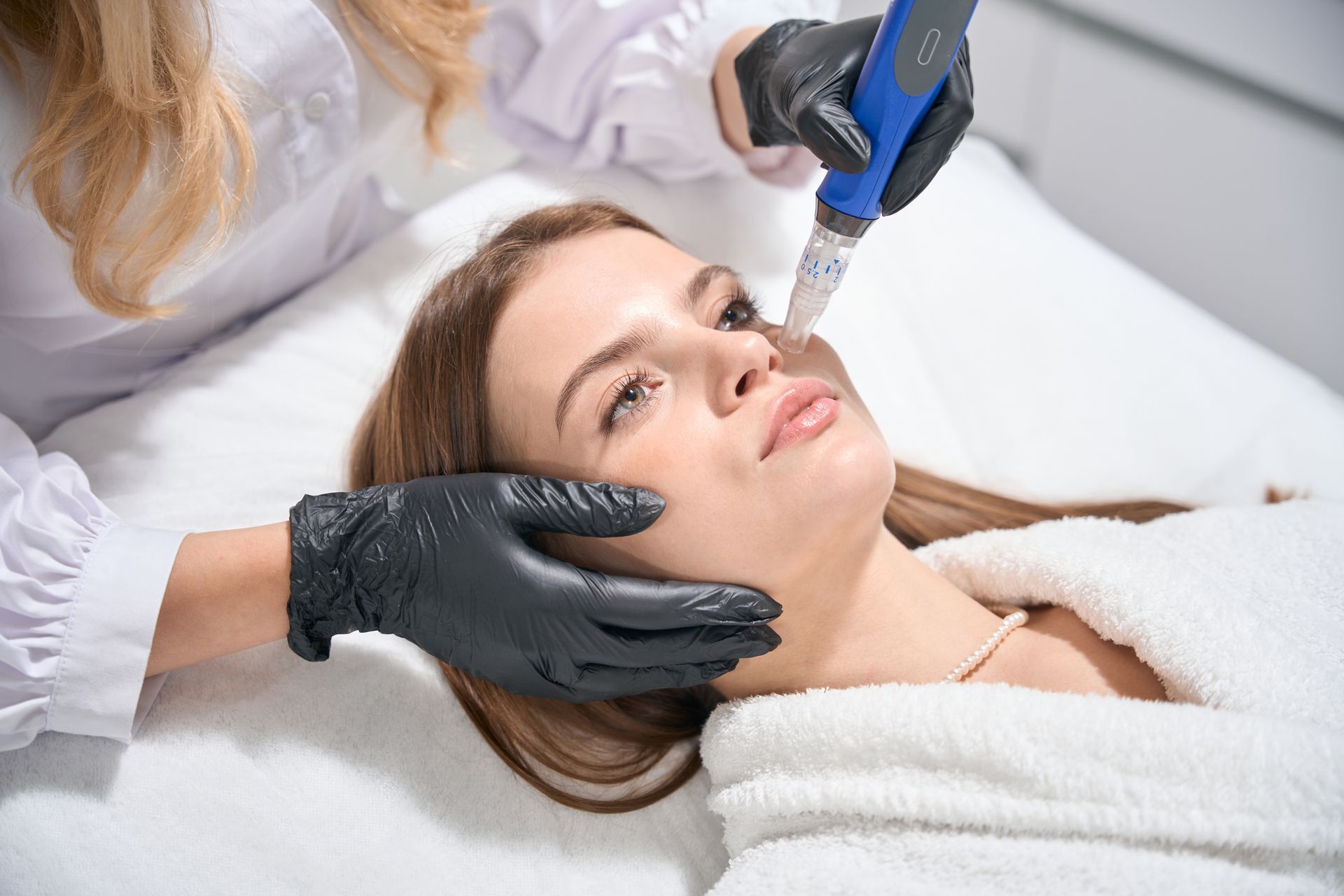
Unlike ablative lasers or peels, LED light doesn’t break the skin’s surface, making it suitable for all skin types, tones, and ages. Most sessions are relaxing, require no downtime, and can be combined with other therapies such as facials, microneedling, or acne correction protocols.
Real Results: What Changes Can You Expect to See?
LED therapy is not a replacement for aggressive interventions, but its most appreciated benefit is steady, cumulative improvement. Most clients report:
- A reduction in redness and swelling after just one session, especially following professional extractions or more intensive treatments.
- Gradual improvement in post-acne marks, with lessened frequency and severity of future breakouts when blue light is used regularly.
- Subtle plumping and softening of fine lines after consistent use of red or near-infrared modes—thanks to ongoing collagen support.
Noticeable change is typically clearest after a treatment series. Results include calmer, more resilient skin and a more unified, even tone. Those who blend LED therapy with deep hydration or collagen-boosting facials tend to achieve their goals faster and see longer-lasting outcomes.
→ A quick tip to remember: LED therapy excels at supporting your body’s repair process. It’s not about drastic overnight change, but genuine improvement you can feel (and see) as sessions progress.
What Factors Affect Outcomes—and How Many Sessions Do You Need?
Maximum results always depend on individualized factors—skin type, age, the presence of chronic inflammation or breakouts, and, crucially, consistency. Standalone sessions can be soothing, but real change requires a series of weekly treatments (often 6–10) to support the full cellular renewal cycle.
Clients who follow through on the recommended frequency and pair LED with high-quality, at-home routines notice the best payoff. Professional guidance is also key, since some conditions, such as deep nodular acne or severe signs of aging, may not be fully resolved with LED alone.
This pattern of honest outcomes is familiar at Rachel Joyce SKIN, where many clients remark on the clarity and health of their complexion after consistent use—even if the journey is more steady than sudden.
Frequently Asked Questions
How soon can I expect to see results from LED therapy?
Most notice immediate calming and reduced redness after a session. Long-term texture, tone, and acne improvements are typically visible after a series of treatments, and best maintained with a regular schedule.
Is LED light therapy safe for sensitive or post-procedure skin?
Yes. Because it’s non-invasive and does not use heat, LED is ideal for those with sensitive, post-exfoliation, or compromised skin barriers. It’s often recommended following peels, microneedling, or extractions to enhance healing.
Can LED light therapy address both acne and signs of aging?
Absolutely. Multi-mode devices and strategic alternation of wavelengths allow professionals to target active breakouts and early lines in the same treatment plan—creating a complementary effect unique to this modality.
Experience the Science of Steady Skin Renewal
LED light therapy is a commitment to building healthier, more resilient skin—from the inside out. Its quiet, consistent benefits add up over time, producing visible calm, clarity, and confidence for those who stick with the journey. If you want to explore the realistic, honest potential of this science-backed treatment, connect with a knowledgeable practitioner, and start your series with the right expectations in mind. Your calmest, clearest complexion could be just a few sessions away.
Share This Blog